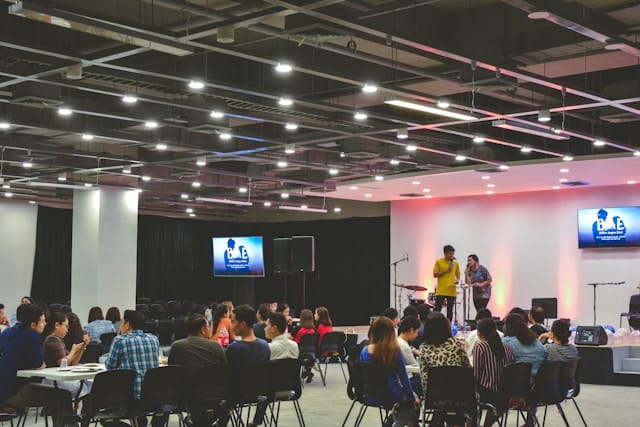

Corporate events rarely succeed by chance. Behind every well-executed conference, executive gathering, or product launch lies a structured planning process that begins long before the event day. In corporate environments, events often carry strategic weight—representing brand credibility, business relationships, and long-term market positioning.
Planning therefore becomes more than logistics. It is a structured process that aligns objectives, stakeholders, timelines, and operational resources to deliver a coherent experience.
Global research shows that business events contribute not only to visibility but also to relationship building and new customer acquisition, making preparation a critical factor in achieving measurable results.
Strategic Alignment Before Logistics
Many corporate events encounter problems not because of execution mistakes, but because the planning phase lacked clarity. Before venues are booked or suppliers are confirmed, the strategic intent of the event must be clearly defined.
Corporate events typically aim to achieve objectives such as strengthening partnerships, presenting new initiatives, or building internal alignment. When these objectives are not translated into concrete planning decisions, the event risks becoming a disconnected activity rather than a meaningful business touchpoint.
Establishing clear goals early helps determine the format of the event, the target audience, and the messaging structure that will guide the entire experience.
Stakeholder Coordination and Decision Structures
Corporate events rarely involve a single decision maker. In many cases, planning requires coordination between internal departments, senior leadership teams, venue operators, and external suppliers.
This layered decision structure increases the importance of early planning. Without a structured timeline, approval cycles can easily delay operational progress and create unnecessary pressure closer to the event date.
Early coordination allows planners to establish responsibilities, align expectations, and maintain transparency across all stakeholders involved in the event.
Venue Availability and Scheduling Constraints
One of the most practical reasons advance planning matters is venue availability. Corporate events often rely on high-quality venues that can support technical requirements, hospitality standards, and guest experience expectations.
In destinations such as Qatar, which has positioned itself as a global hub for international business events and conferences, demand for premium venues can be significant.
Planning ahead increases the likelihood of securing suitable venues and ensures that event design aligns with the physical space rather than being forced to adapt to limited availability.
Operational Preparation and Risk Reduction
Operational complexity increases as event scale grows. Vendor coordination, technical setups, rehearsal schedules, security protocols, and guest logistics all require structured planning.
Advance preparation helps reduce operational risk by allowing teams to test technical setups, coordinate suppliers, and identify potential bottlenecks before the event begins.
Industry best practices emphasize structured preparation and risk management as key components of successful event delivery.
When preparation is rushed, even minor operational issues can quickly escalate into visible disruptions during the event.
Budget Control and Resource Allocation
Another advantage of early planning is financial clarity. Corporate events typically involve multiple cost components including venues, production, catering, technology, and guest services.
When planning starts early, organizers can evaluate options, negotiate supplier contracts, and allocate resources more strategically. Late decisions often reduce flexibility and lead to higher costs or compromises in quality.
Advance budgeting also helps ensure that spending aligns with the strategic value the event is intended to deliver.
The Role of Professional Event Planning Support
Planning corporate events requires a combination of strategic thinking, operational coordination, and local insight. Organizations often choose to work with an experienced event management company in qatar to support this process.
Local event partners bring familiarity with venues, suppliers, and regulatory considerations, which helps streamline planning and reduce uncertainty throughout the preparation phase. By managing timelines, coordinating stakeholders, and anticipating operational challenges, professional planners help organizations focus on the objectives of the event rather than the mechanics of delivery.
Planning as the Foundation of Event Success
Corporate events rarely succeed because of last-minute effort. They succeed because planning decisions made weeks or months earlier create the conditions for smooth execution.
From defining strategic goals to coordinating stakeholders and securing venues, advance preparation shapes every aspect of the event experience. Organizations that treat planning as a strategic phase rather than a logistical formality are far more likely to deliver events that build relationships, reinforce credibility, and create lasting impact.